When it comes to BPC-157 delivery methods, the research and real-world data are clear: subcutaneous and intramuscular injections deliver superior bioavailability for systemic tissue repair
Results are highly individual and can depend on factors such as dosage, diet, exercise frequency, age, and overall health status
This vitamin is primarily found in animal products
The short answer is that BPC-157 is not considered a weight loss peptide, and there is currently no strong evidence showing that it directly burns fat, suppresses appetite, or increases metabolism
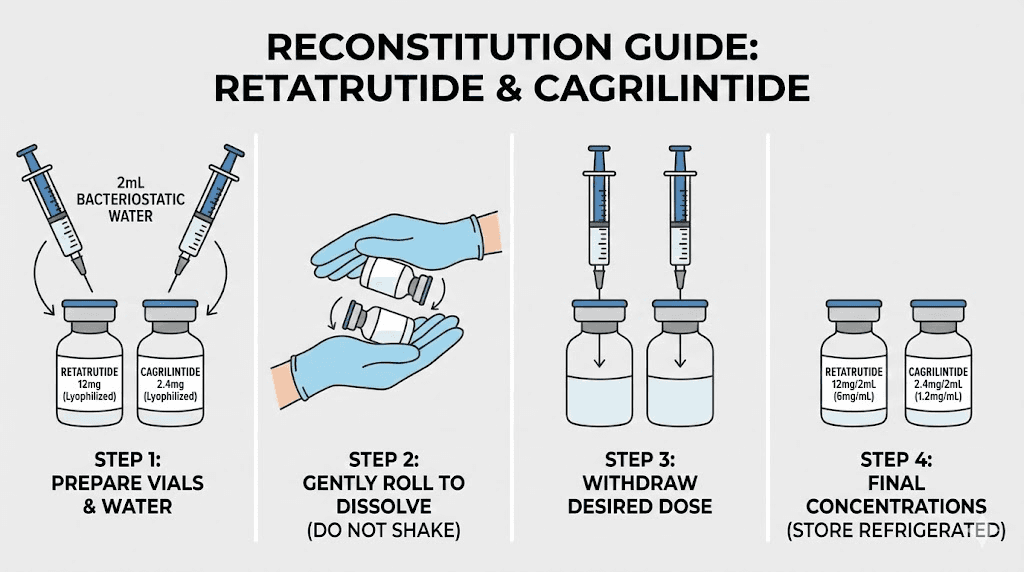
In any of these cases, the safest course is to discard the vial and start fresh

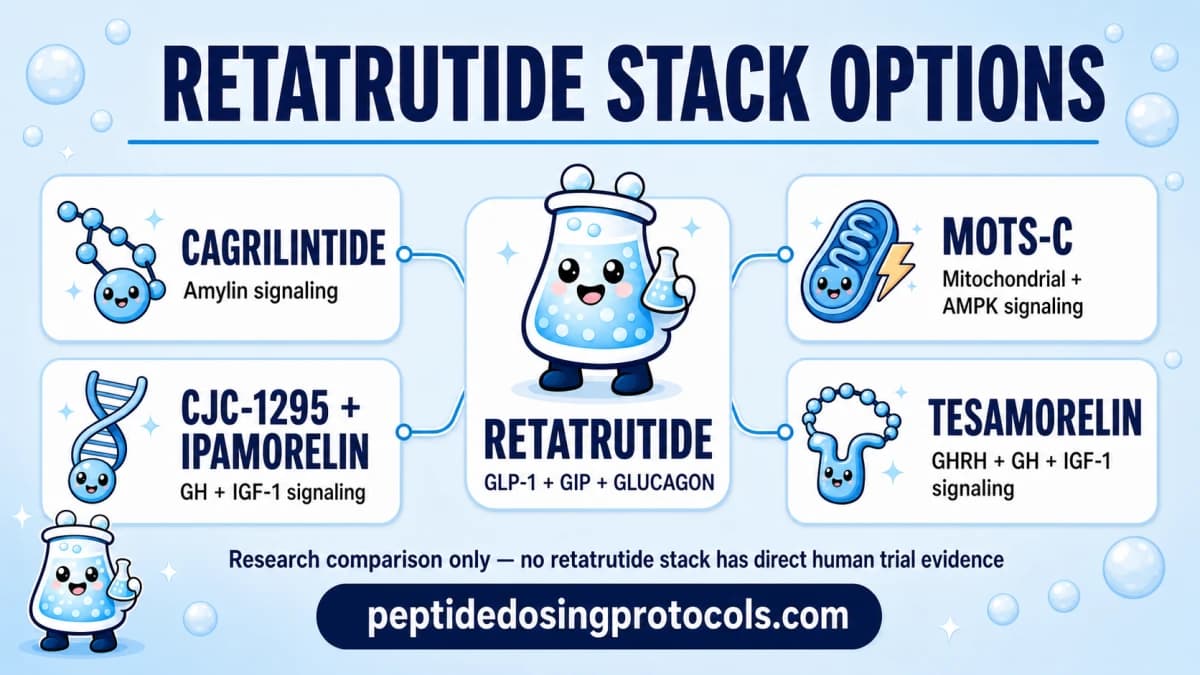
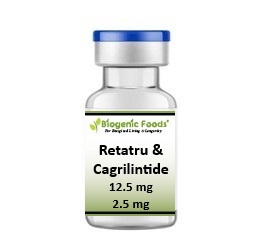
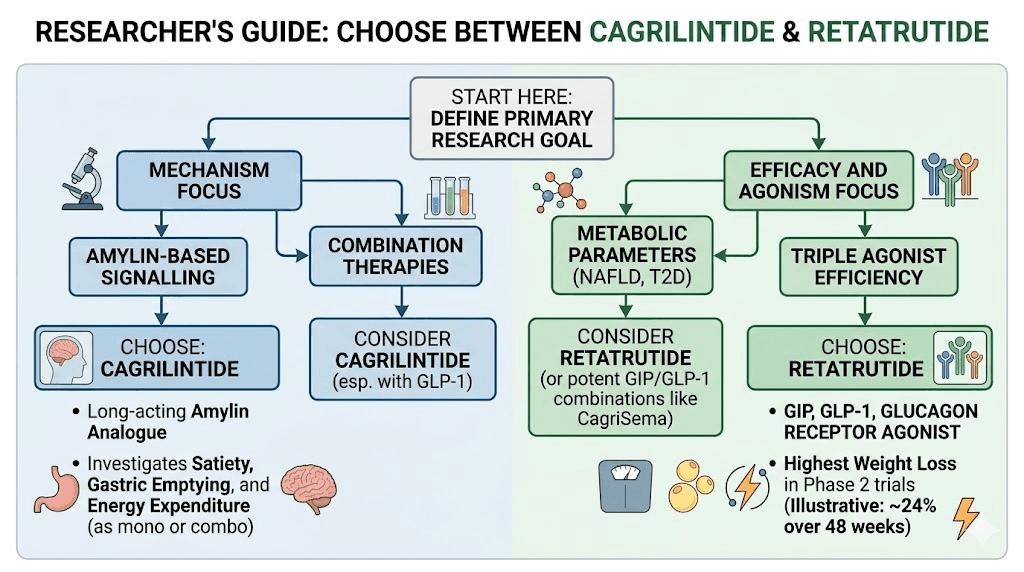
Key Takeaways Cagrilintide is a long-acting amylin analogue with clinical trial doses ranging from 0.3 mg to 4.5 mg weekly, while retatrutide is a triple agonist studied at 4 mg, 8 mg, and 12 mg weekly doses No published clinical trials currently exist evaluating the cagrilintide dosage with retatrutide combination, making any combined use experimental and off-label Both peptides work through different mechanismscagrilintide activates amylin receptors while retatrutide targets GIP, GLP-1, and glucagon receptorssuggesting potential complementary effects Gastrointestinal side effects (nausea, vomiting) occur in 60-80% of participants at higher doses for both compounds, raising concerns about additive effects when combined Proper dose escalation protocols spanning 8-20 weeks are critical for tolerability and adherence in peptide-based metabolic therapies Understanding Cagrilintide: Mechanism and Dosage Fundamentals What Is Cagrilintide












![Special Deal] Yu-Gi-Oh!](http://derpycards.ca/cdn/shop/files/2playersetdeck.png?v=1697753013)